Driving Search ROI Via Strategic Orchestration
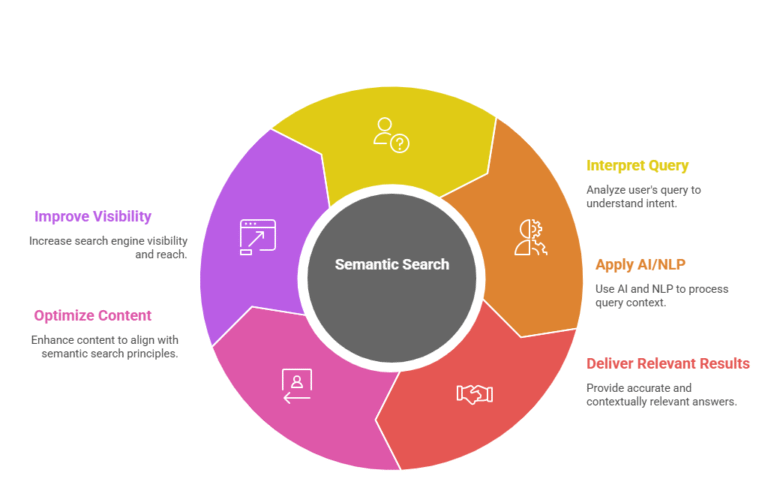
These are a mix of trending semantic keywords and recommended search terms affected by search patterns. Do not forget to include long-tail keywords in your list.
You can likewise scroll to the bottom of the SERP to discover "Related searches," which typically discover additional keyword ideas you might not have thought of. These keyword types are often puzzled with one another, keep in mind that not all associated search terms are synonyms. For example, "yoga asana" and "yoga present" are synonyms.
You can discover synonyms and LSI expressions either by using an autocomplete feature or looking at the bottom of the SERP. You can keep checking out to collect all the questions Google has to use. Taking a look at these keywords might even stimulate some ideas for related inquiries of your own. To support a strong semantic SEO method, it assists to comprehend how search interest progresses over time.
While utilizing Google is a time-tested method of collecting semantic search data, you can likewise use semantic SEO software application to speed things up and get better outcomes. It hosts over 4 billion unique search questions, which means you can generate thousands of keyword ideas in one click.
SyVID reviewThe yoga subject, for example, has 550K month-to-month searches. You can utilize filters to leave out keywords that you don't plan to rank for. It's possible to filter out keywords with incredibly high search volumes. These keywords are typically too unclear and excessively competitive. For more concepts, go to SE Ranking's Related, Questions and Low Browse volume tabs.

Navigating Semantic Search Changes in a Next Era
SE Ranking also lets you perform rival research study to draw keyword ideas. This helps you find some of the more unknown but beneficial topics related to your business specific niche.
If you likewise want to see what subjects AI engines are looking for under the hood when making up responses to your focus questions, begin tracking them in AI search tools like AI Mode, ChatGPT, Perplexity, and others utilizing our AI Results Tracker. As soon as you have ranking data, you can see the URLs that these AI engines utilized as sources when making up answers to your target inquiry.
The subjects they cover are potential prospects for your own content. By developing content around these concepts, you increase the opportunities that AI systems will reference your pages when responding to comparable inquiries. As soon as you have actually gathered your keywords from all possible sources and compiled them into a spreadsheet, get rid of any duplicates.
Observe your list carefully and consider methods to categorize keywords into various groups. Let's say, for example, that you have a long list of keywords about "yoga asanas". Here are some methods to organize them: "yoga postures", "yoga postures", "asanas list", etc "how to do yoga asanas", "what are the beginner yoga presents", and so on.
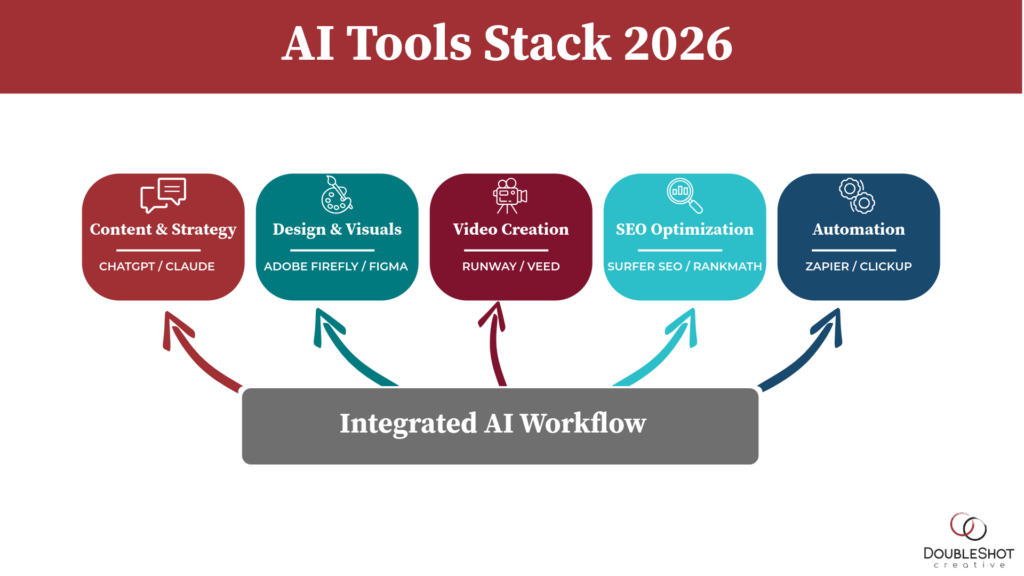
Maximising Content Velocity Using Integrated Automation
Organizing keywords by search volume assists you in structuring your site. Think about high-volume keywords as classifications, and low-volume keywords as prospective short article subjects or service/product pages. Semantic search engine optimization involves producing content clusters based upon topics rather than keywords. Utilize the pillar cluster model, content hub, and topic maps to group material according to semantic SEO principles.
This method arranges topics by grouping more particular subtopics under a more comprehensive main subject. This enables you to group keywords around a central style while breaking them into multiple unique pages. Topic clusters assist search engine bots comprehend the context, relationship, and hierarchy of each page within a structured material framework.
are centralized collections of all your material on a particular topic, developed to serve as a thorough resource. The hub consists of the pillar page, which covers the broadest aspects of the primary topic, and supporting pages that check out specific subtopics in detail. These pages are gotten in touch with links. Another technique for clustering your keywords and structuring your content is.
.webp)
Unlike the pillar and material hub techniques, there is no distinction in between the primary and supporting content. This technique is created to connect subjects in a semantically meaningful way. Note that all of these cluster methods are distinct, however each can arrange your material successfully while preventing keyword cannibalization. That's it for standard keyword research study and clustering.
Rather, objective for descriptive URLs that cover the topic as a whole. Meta descriptions used to be primarily about boosting CTRs. And in classic SEO, that's still true.
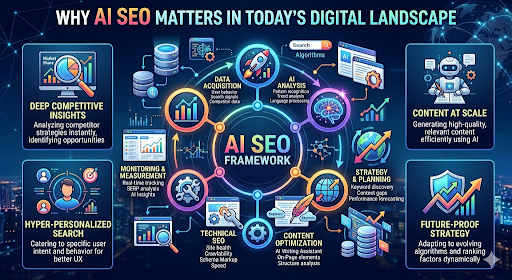
Why AI SEO Frameworks Enhance Performance
Pages with low-relevance descriptions (0.000.48 similarity) average just 4.1 citations, while greater positioning gradually enhances visibility (up to 4.7).
Clear, thorough descriptions help AI models comprehend your material and increase the likelihood your page is cited. Now that you have actually collected all your keywords and enhanced metadata, let's explore how to compose material with semantic search optimization in mind. Semantic markup is simply as vital to attaining higher rankings as performing careful keyword research study.
This is both presentational and semantic markup since it shows users and search engines where the title is. Semantic components can assist some parts of your content, like lists, appear as featured snippets.
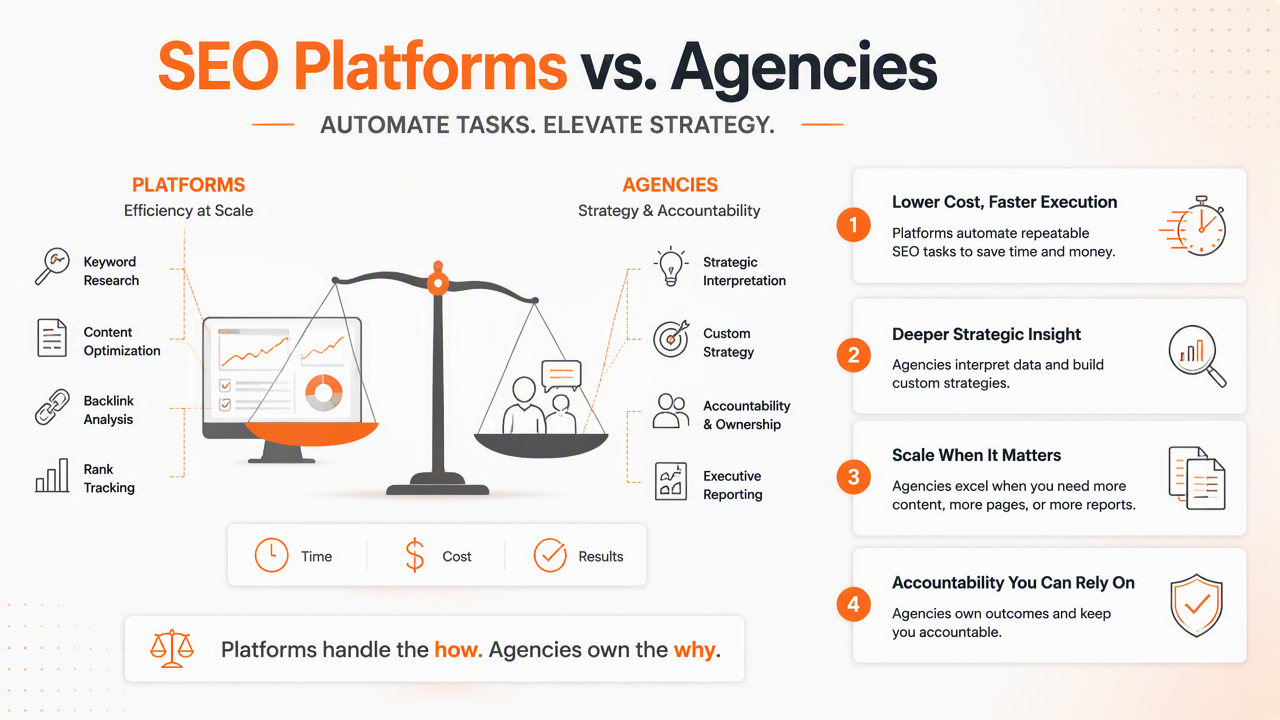
Proven Steps for Grow Automated Editorial Production
Instead of generic declarations, frame your blog post sections as direct concerns whenever it's appropriate to the content. Data shows such URLs typical 4.6 AI Mode citations, compared to 4.5 citations for those with non-question headings.
SyVID reviewAlways align your H1 with the primary question your material answers. Subheadings (H2, H3, and so on) can then support particular aspects of that answer. Next, including can significantly enhance AI visibility.
Include headers like "Regularly Asked Questions" or "Common Concerns" to indicate to AI that these areas contain direct responses. Integrate Frequently asked questions throughout the short article where relevant rather than clustering them at the end, to keep the content informative and contextually rich.