Building the Robust Content Infrastructure for SEO
Creativity and creative ability are preferably human qualities? That's real. And in the meantime, a minimum of, current AI designs might be not able to produce journalistic work of arts that fit well in the leading columns. However, these tools can be used as helping hands for human authors to boost self-written content.
These engines suggest personalized content for readers based on their behavior, preferences, and engagement patterns. AI-based tools produce tags and metadata based on the context, keywords, and themes of the material.
Not only this, but automated metadata generation also helps in search engine optimization (SEO), making it simpler for readers to find appropriate content. It examines big quantities of text to offer brief summaries without compromising the substance of the material.
AI utilizes real-time metrics to make cash from material. The finest part is that the copy of those CTAs is created instantly based on content goal, vertical, and sentiment.
The Deep Role of Automated Systems in Publishing
The procedure definitely takes time and worsens when there's an innovative block. Tools like ChatGPT and DeepSeek help conquer author's block by producing unique content concepts.
DeepSeek SEO promptsFrom modifying and checking manuscripts to creating enticing layouts and designs, AI tools assist digital publishers in numerous methods. AI and automation aid publishers streamline the material development process.
Hence, publishers can stabilize quality and amount when creating material. Take a comprehensive appearance at the applications: AI-based tools like Grammarly and Hemmingway Editor are changing the method modifying and proofreading are done. These tools use natural language processing to discover grammatical errors, suggest much better syntax, and even tone disparities.
DeepSeek SEO promptsHow to Scale Content Workflows for Maximum ROI
The sophisticated tools also help examine realities and find plagiarism, ensuring the trustworthiness of published material. This is a relief for ebook conversion services that always search for innovative ways to stabilize quality and quantity. The capability of AI to evaluate historic data and discover patterns makes it a beneficial tool for forecasting market patterns and reader choices.
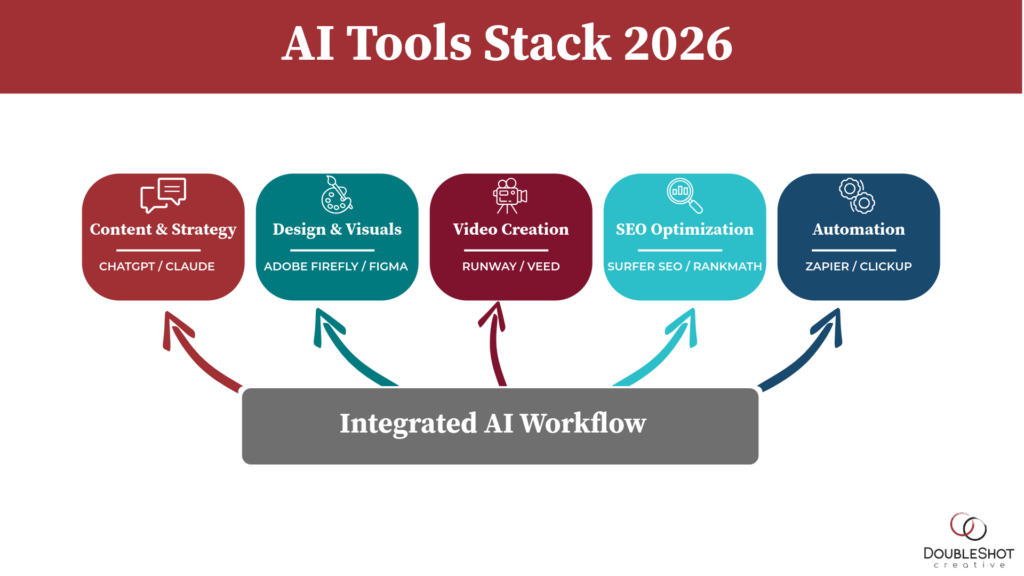
This technique decreases guesswork and optimizes the impact of content strategies. Although it's stated never to judge a book by its cover, some of us definitely do. Thus, digital publishers spend a lot of time and resources producing appealing design designs. AI-based style software such as Canva and Adobe Sensei are doing this instantly.
This helps an ebook publishing services company and other publishers be eliminated from the concerns of keeping a visual style look. AI analyzes reader data to recognize patterns and anticipate future trends. This details assists publishers much better understand their audiences and create content methods appropriately. They can make smarter options along with react to market modifications and client needs much faster.
eBook Conversion, Formatting, and Publishing 101: What, Why, and How AI tools can boost user engagement efficiently. Virtual assistants like Amazon's Alexa, Apple's Siri, and Google Assistant add an entire brand-new dimension to the method material is consumed, making it more interactive. These virtual assistants can check out short articles, books, and other types of content loud, making it more interactive.
Going an action ahead, AI likewise assists publishers and authors transform text into augmented and virtual truths. Therefore, authors can establish interactive stories where readers explore 3D environments and experience a first-person narrative. Journalists can utilize this advanced innovation to get recommendations for topics, images, and headlines and optimize their articles for better engagement.
Key Benefits of AI-Driven Content Systems
All in all, AI and automation empower publishers and writers to improve content quality, style aesthetically enticing covers, and produce immersive experiences for their readers that increase engagement. At the very same time, using AI in digital publishing raises issues like copyright issues, absence of initial imagination, and ethical and moral considerations.
Understanding these constraints is essential to set appropriate roles and limits for AI in the innovative writing process. Take a look at what these are: AI gains from existing data by remixing and repurposing what the design has been fed. By default, the procedure does not have the natural, initial creativity fundamental to people.